Eco-friendly packaging has gone from being a trend to a necessity. Consumers, businesses, and legislation are all pushing in the same direction: reducing the environmental impact of packaging. In this guide, we explain what sustainable packaging is, what materials are available, and how to implement it in your business without compromising the protection of your products.

What is eco-friendly packaging and why does it matter?
Eco-friendly packaging is packaging that minimizes its environmental footprint throughout its entire life cycle: manufacturing, transport, use, and end-of-life. To be considered sustainable, packaging must meet at least one of these conditions:
- Be made with recycled or recyclable materials (cardboard, kraft paper, cellulose).
- To be biodegradable or compostable under natural or industrial conditions.
- Sourced from responsibly managed renewable sources (FSC certified).
- Designed to be reused multiple times before being recycled.
In Spain, Law 7/2022 on waste and contaminated soils already requires reducing the use of single-use plastics and ensuring that packaging is recyclable by 2030. Companies that act early will have a competitive advantage and avoid penalties.
Eco-friendly alternatives to traditional packaging materials
Replacing plastics and non-recyclable materials is easier than it seems. These are the main alternatives:
1. Recycled corrugated cardboard
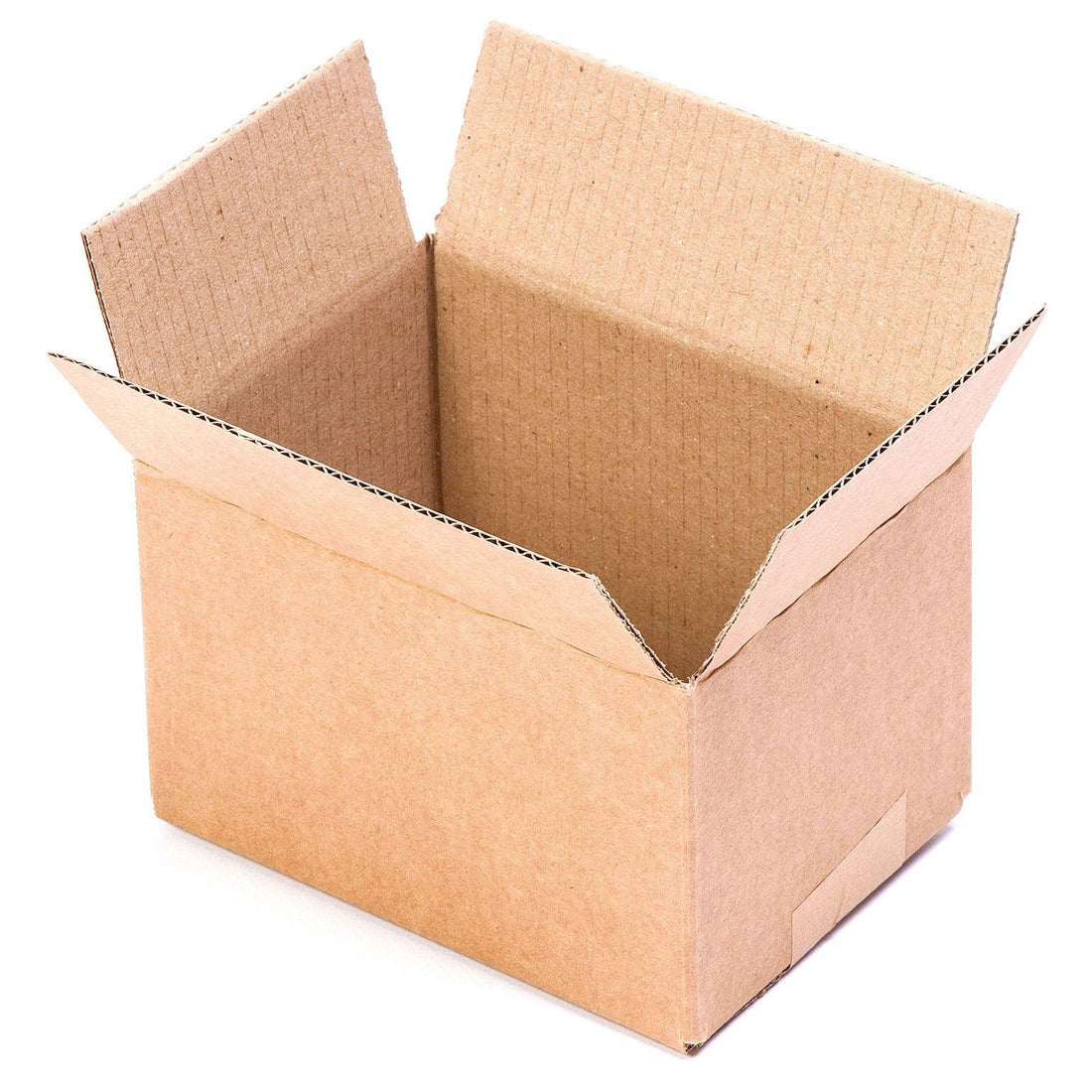
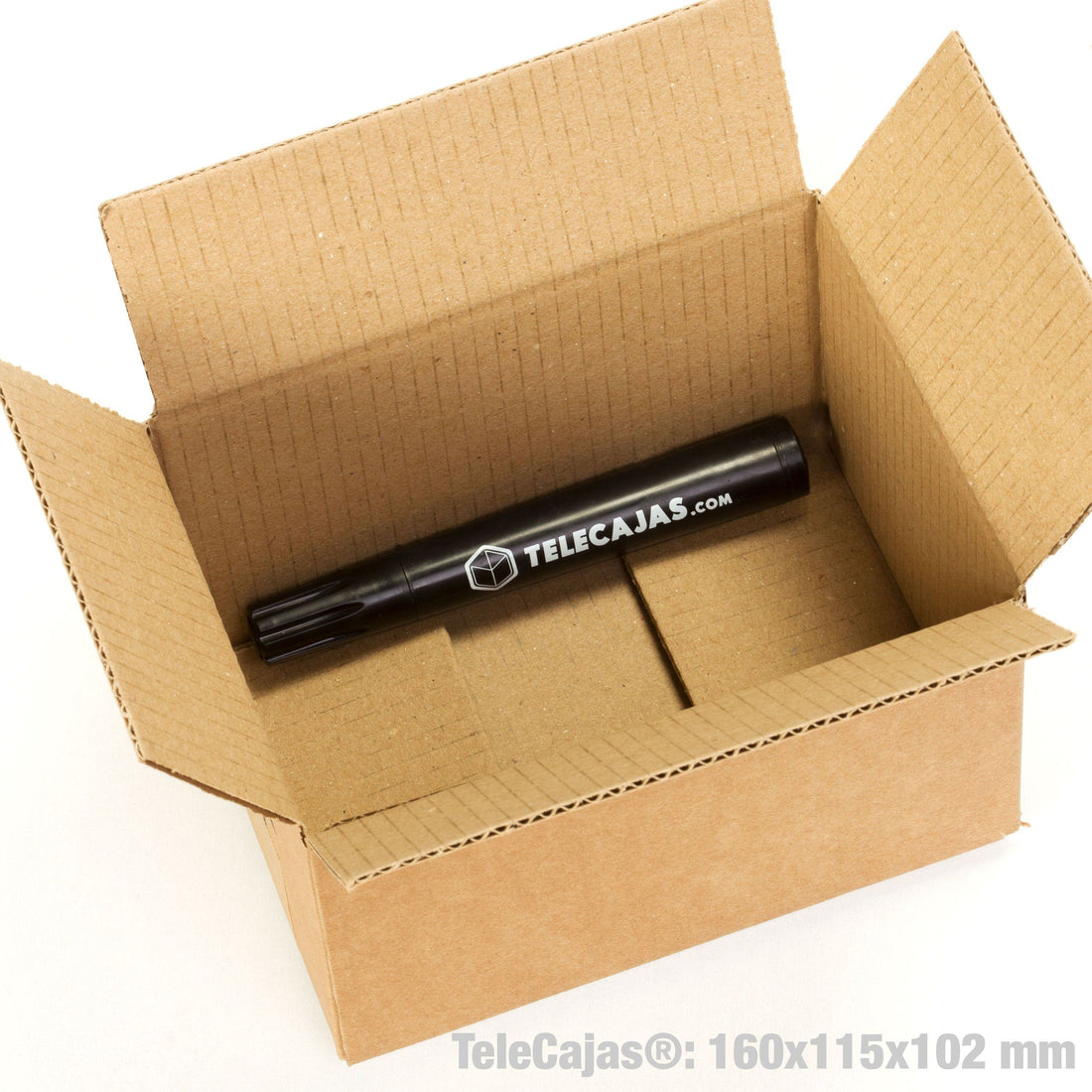
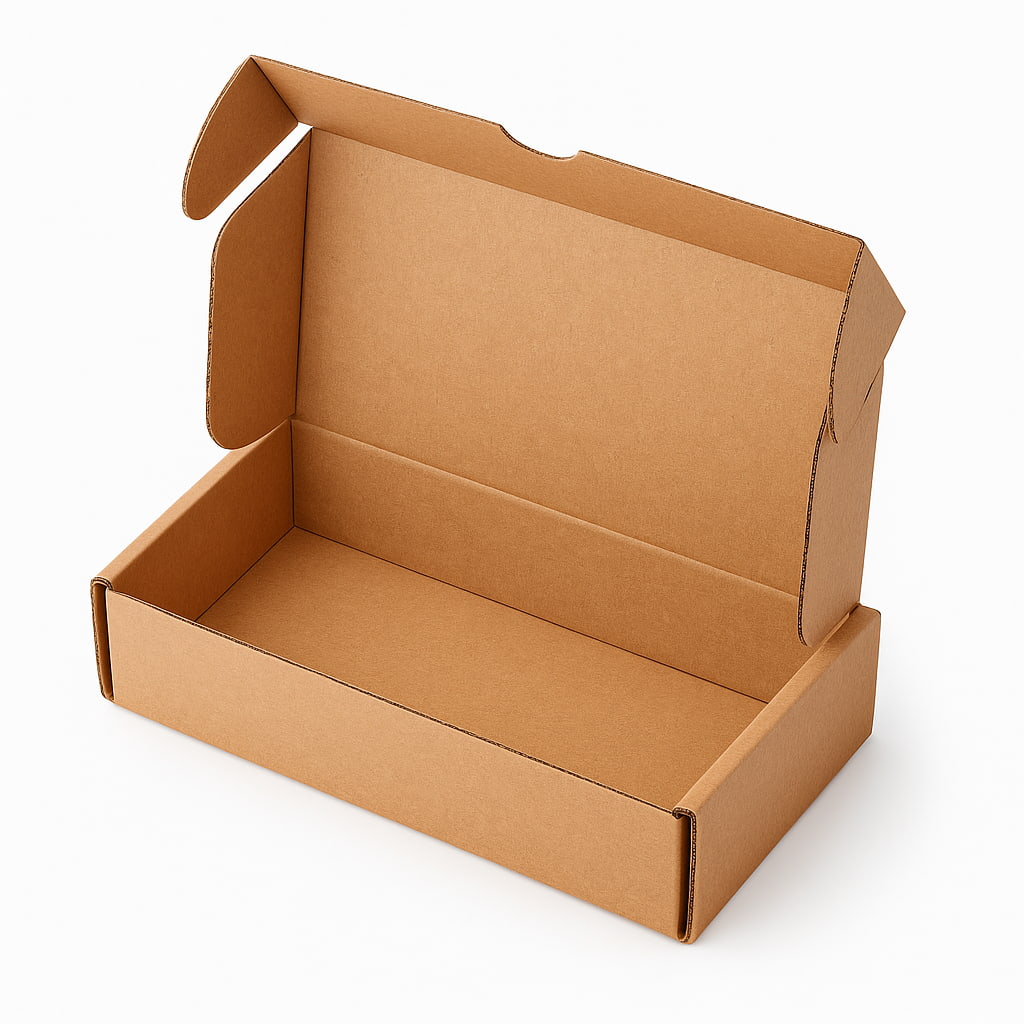
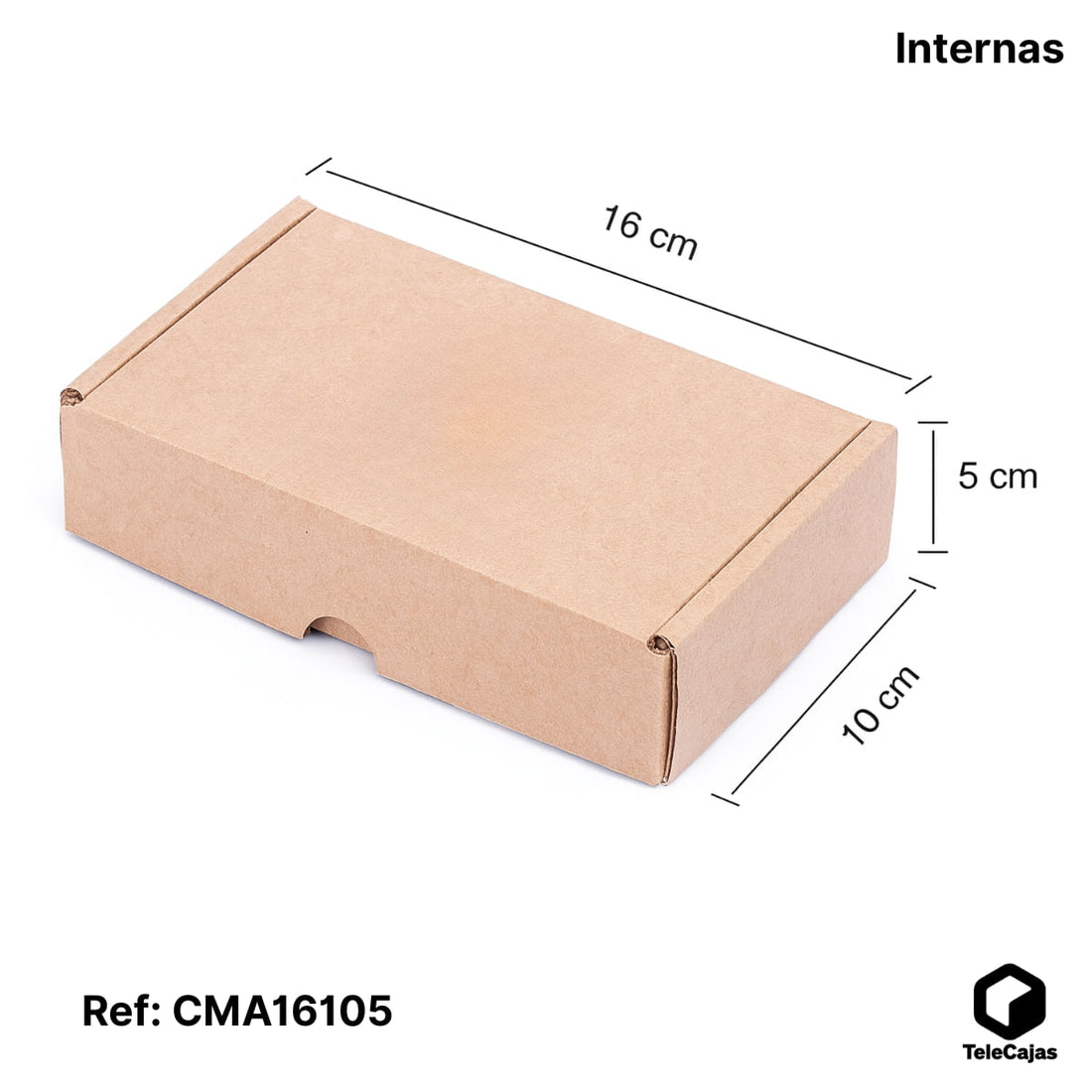
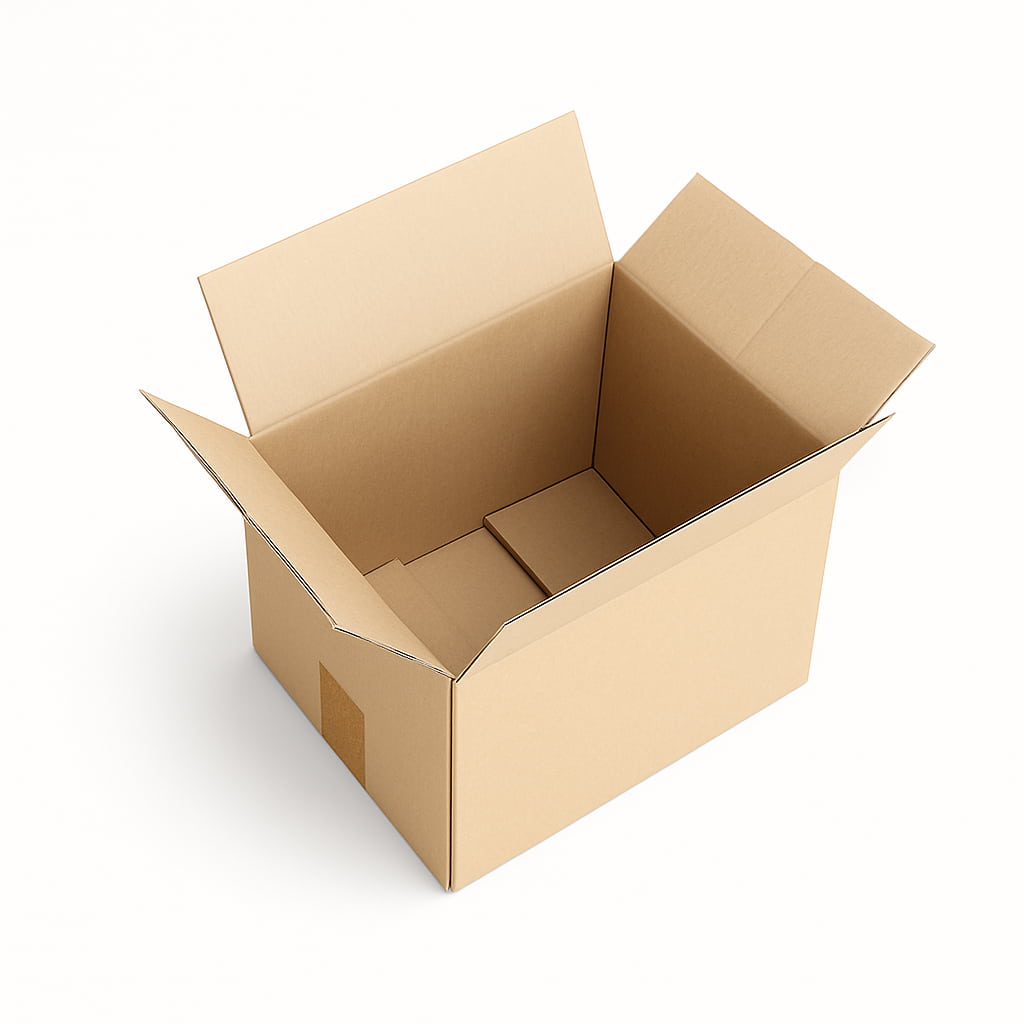
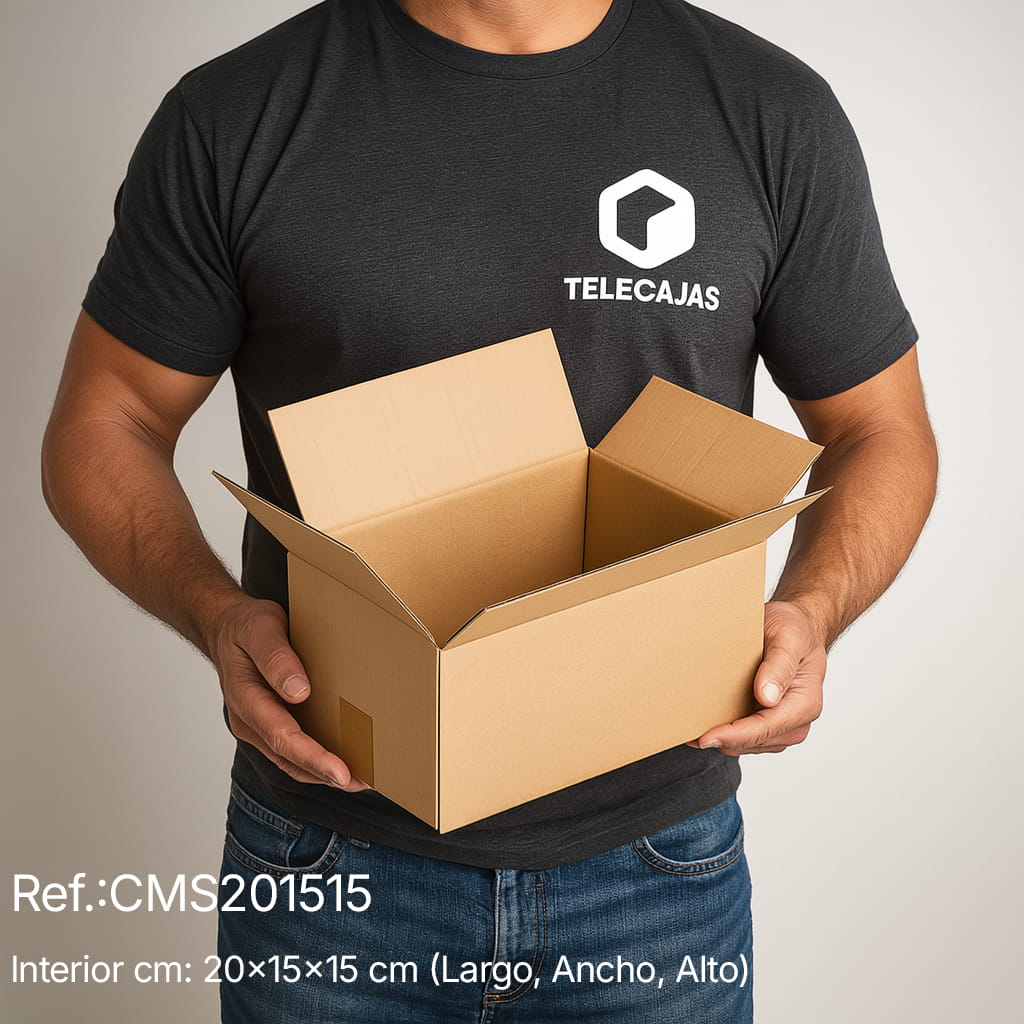
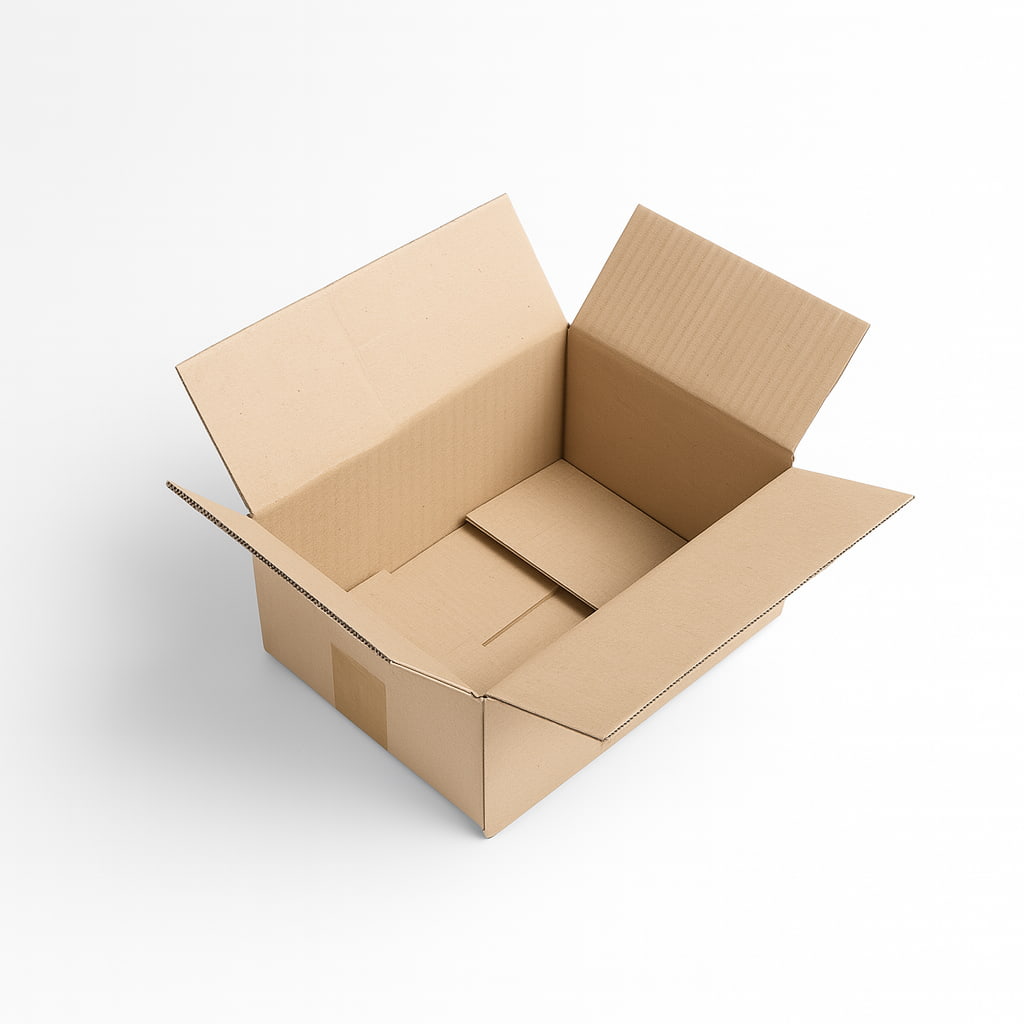
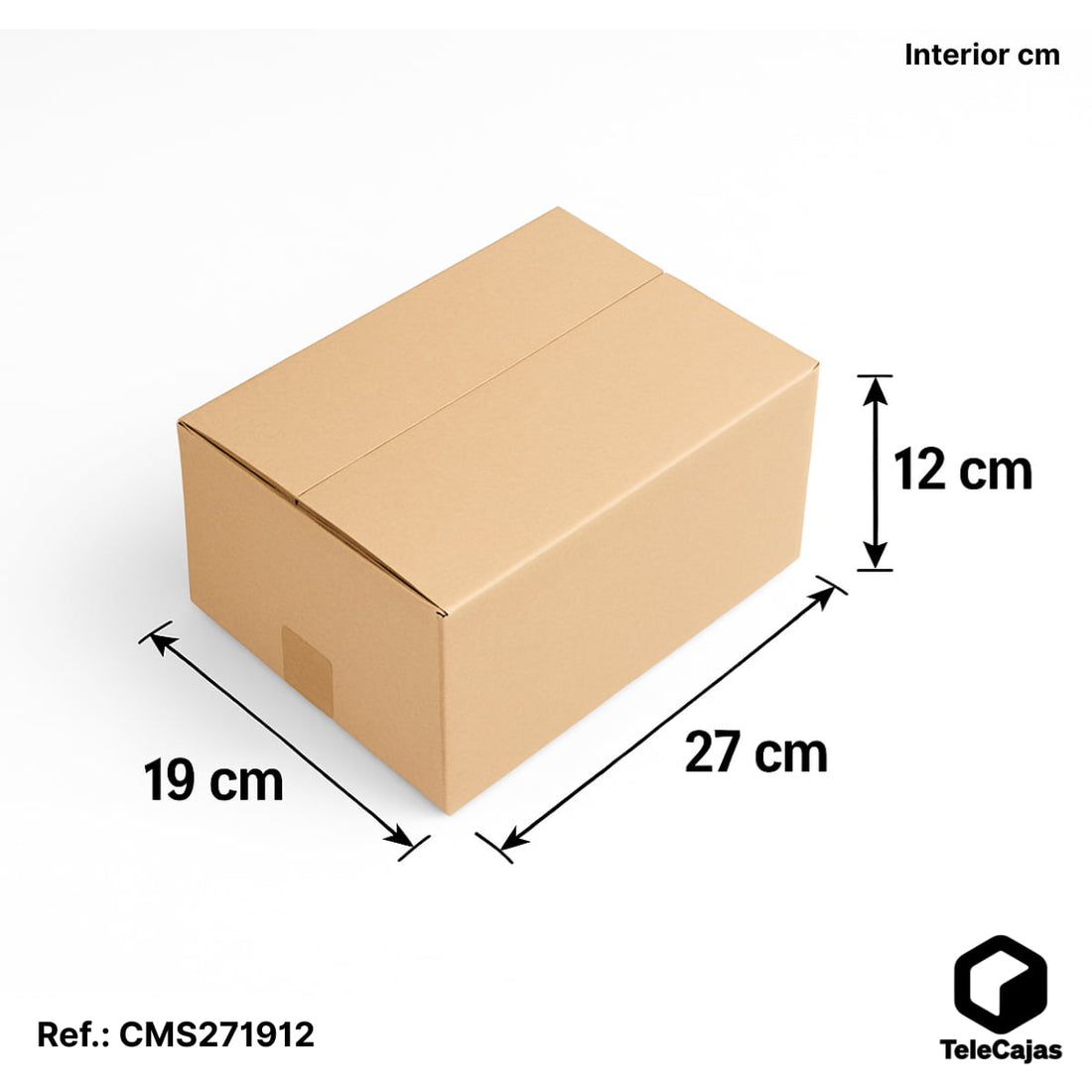
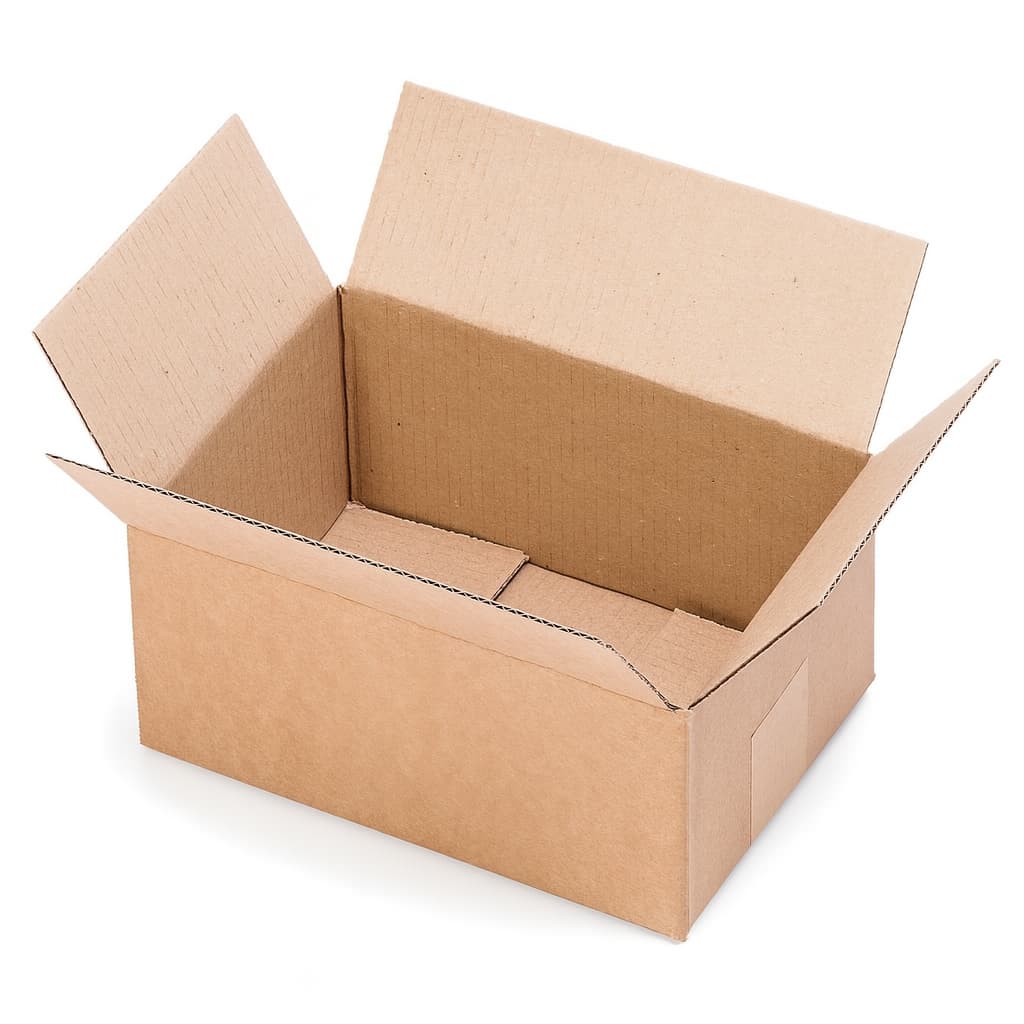
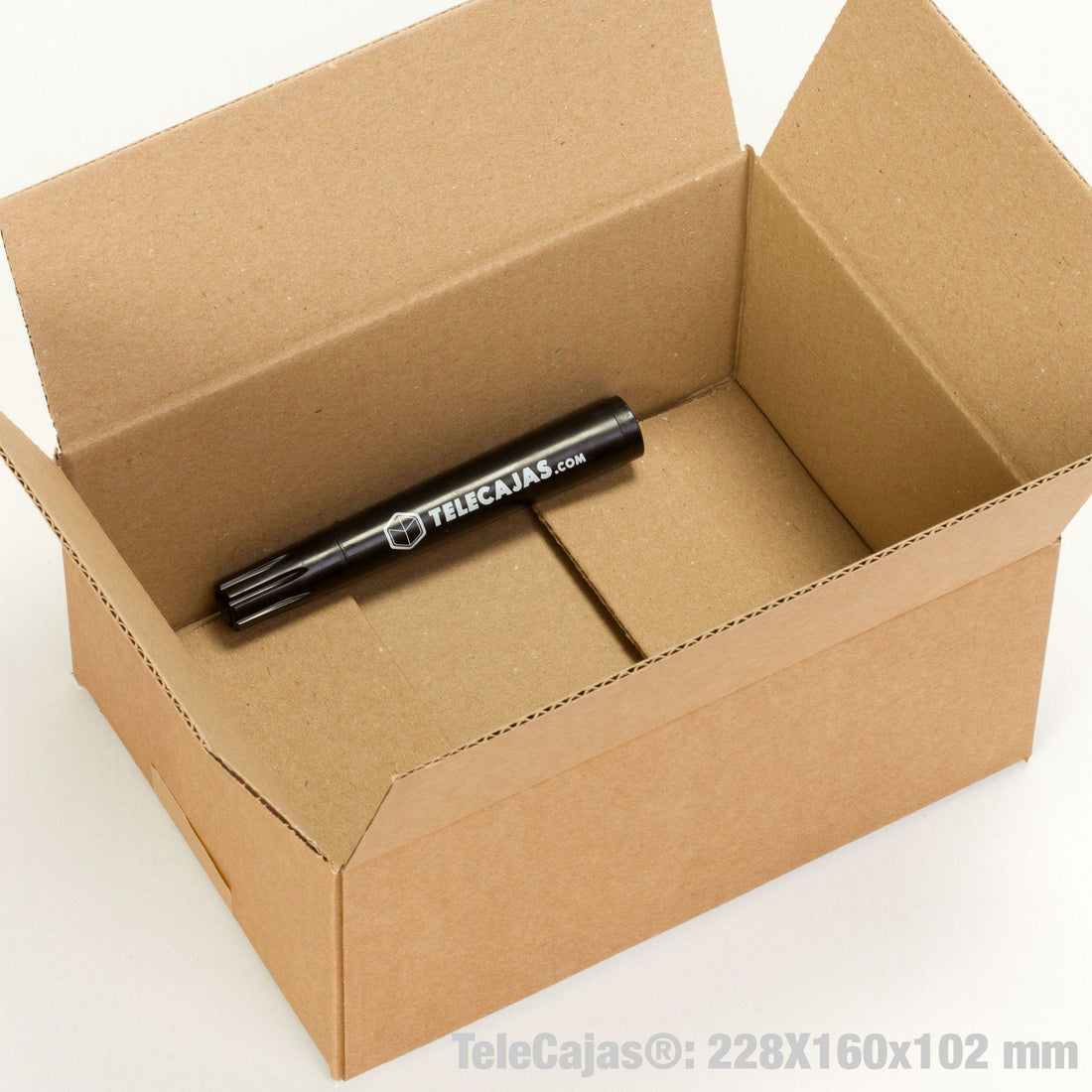
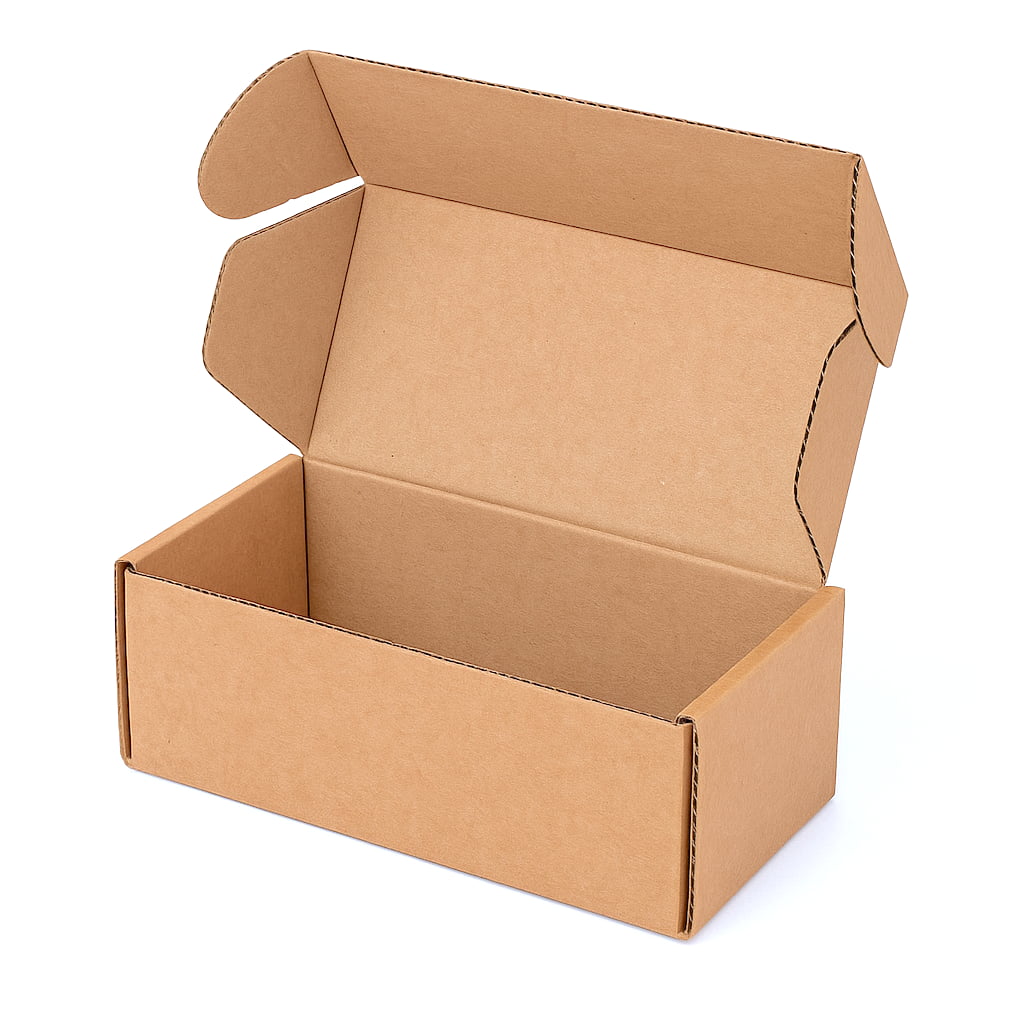
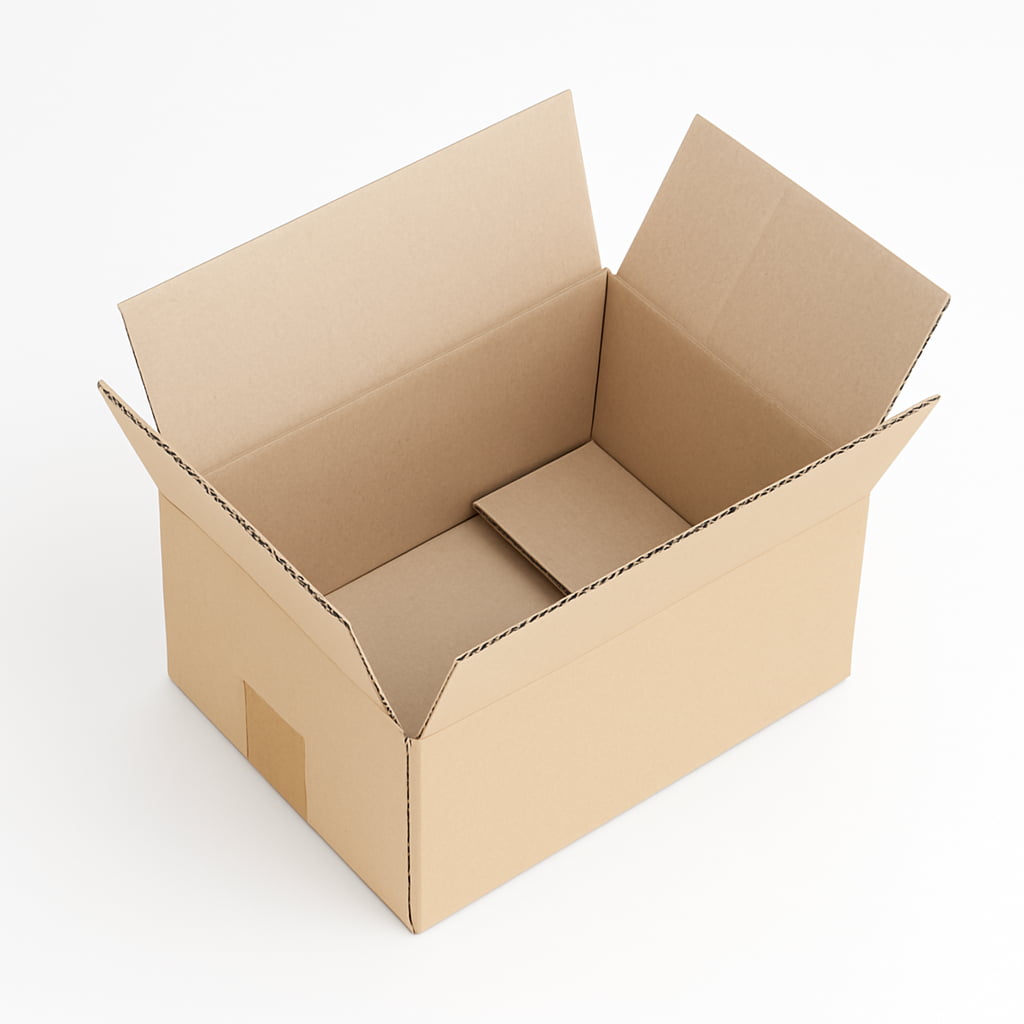
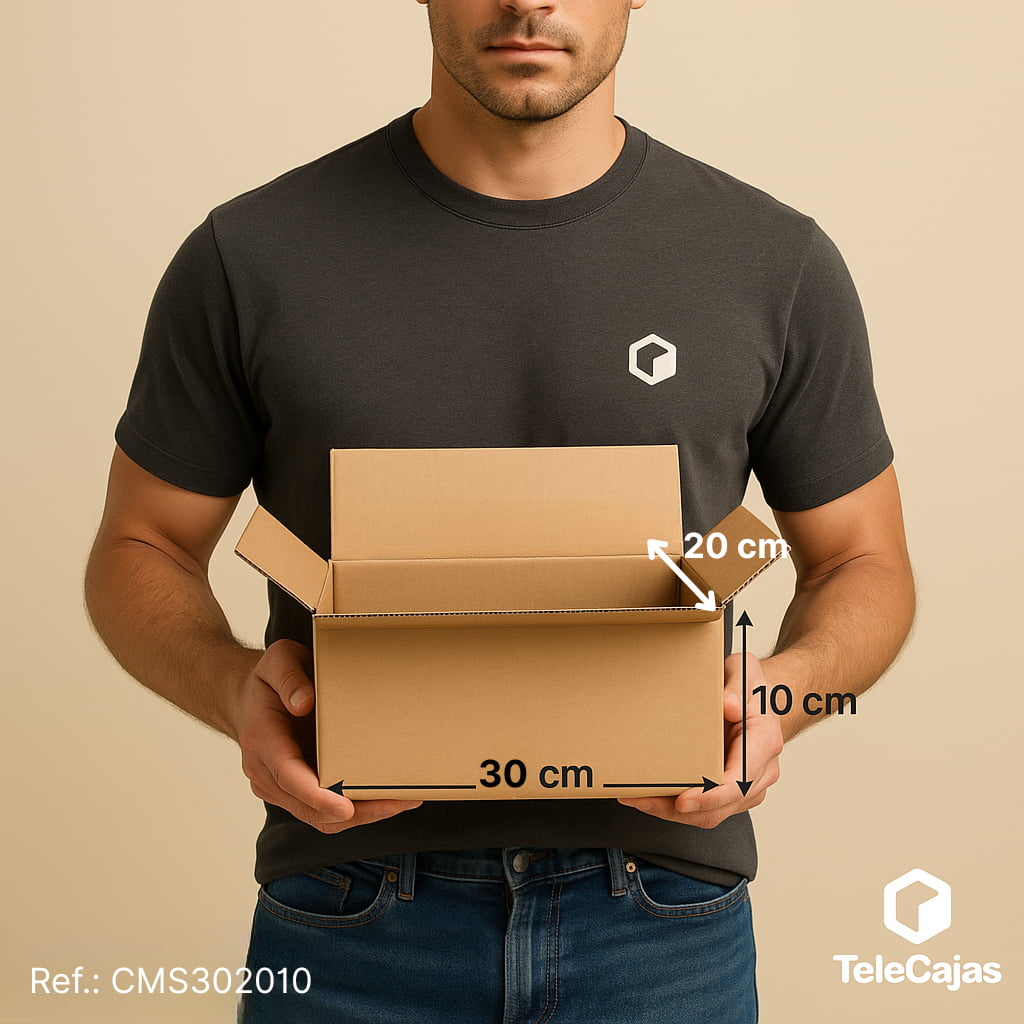
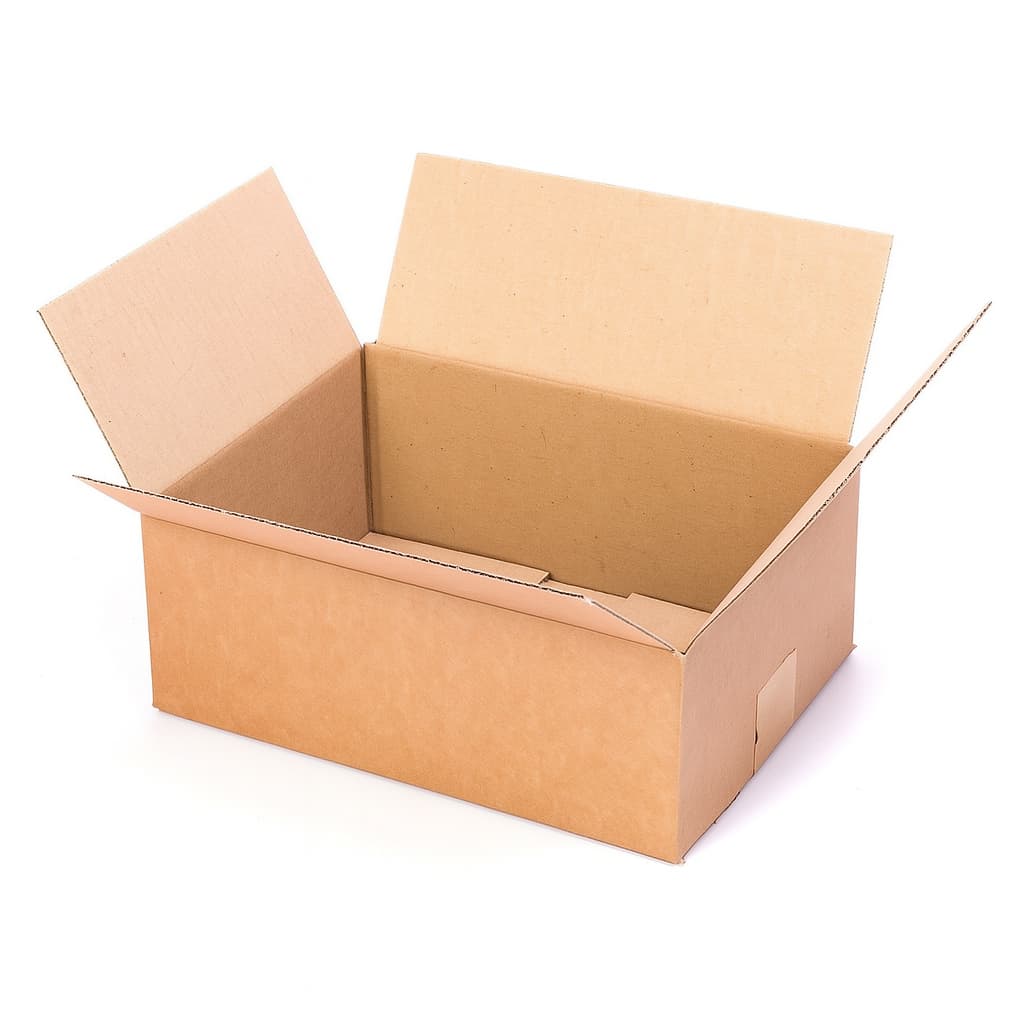
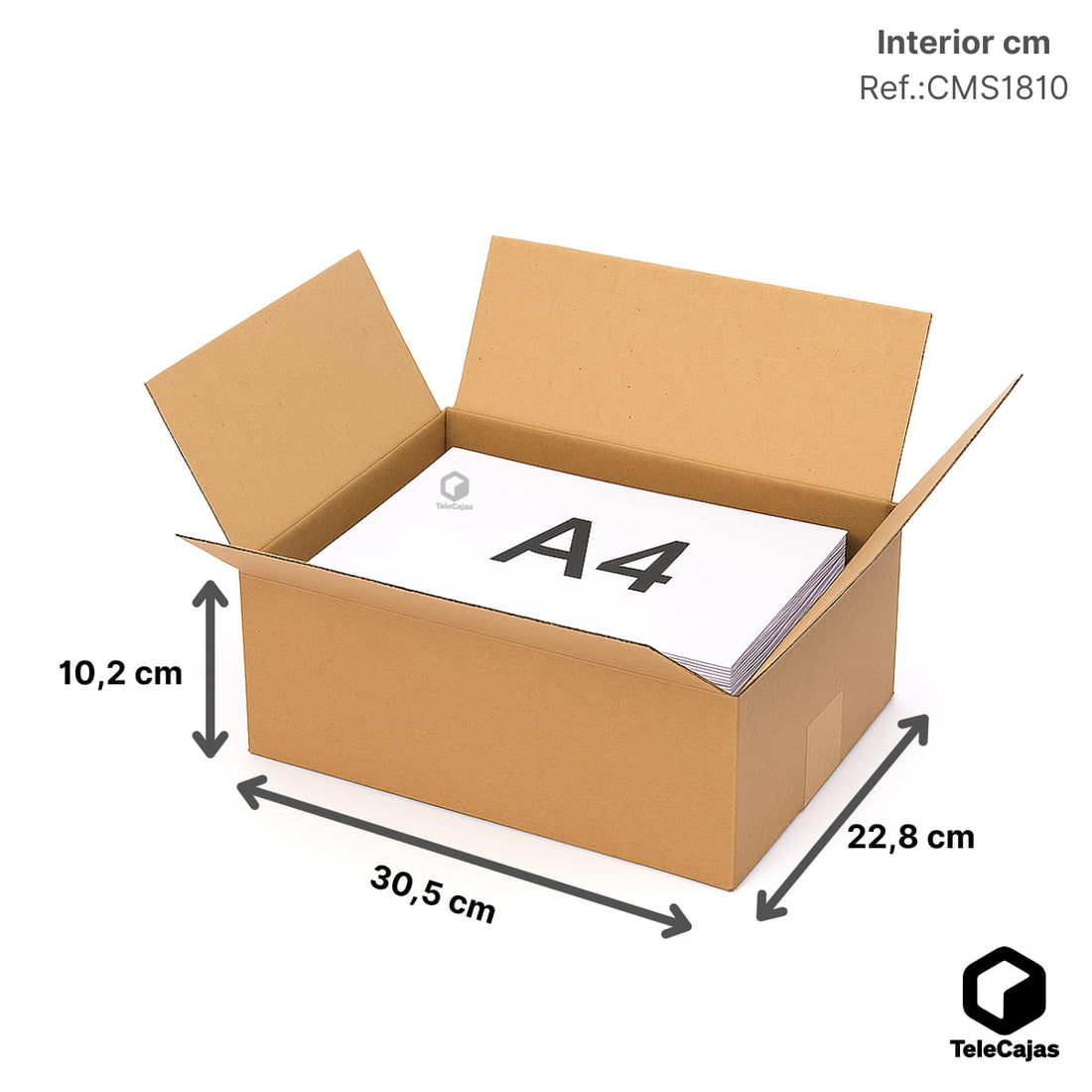
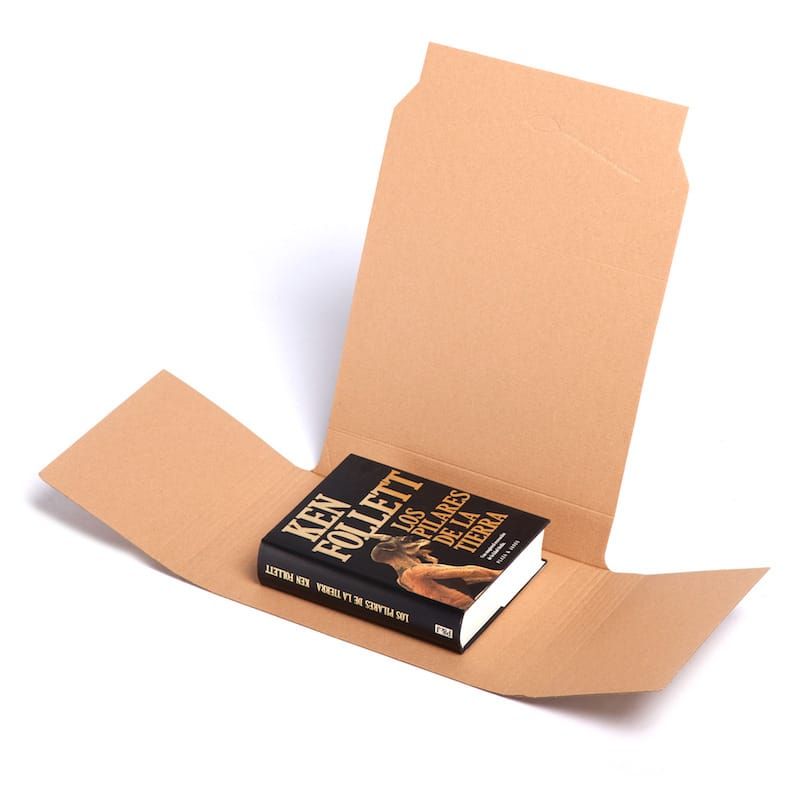
Cardboard is the king of sustainable packaging. TeleCajas cardboard boxes are made from recycled fibers and are 100% recyclable. Available in single-wall for lightweight shipments and double-wall for heavy or fragile items.
2. Crumpled kraft paper
Perfect for replacing bubble wrap when protecting products. The crumpled kraft paper cushions impacts, is lightweight, and is recyclable. Ideal for filling gaps inside boxes.

3. Filling of paper shavings and starch chips
Eco-friendly filling materials such as kraft paper shavings or corn starch chips (biodegradable) replace expanded polystyrene (white cork) with the same level of protection.
4. Recycled bubble wrap
If you need the protection of bubble wrap, opt for versions made from recycled plastic . While it doesn't eliminate plastic entirely, it significantly reduces your carbon footprint by reusing existing material.
5. Paper adhesive tape
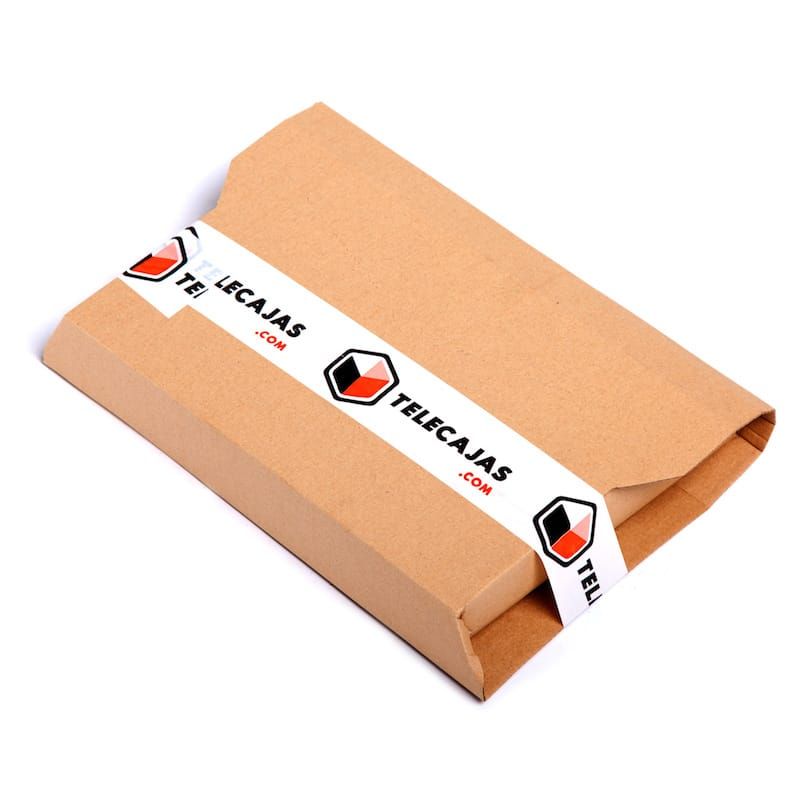
Gummed kraft paper tape replaces polypropylene tape. It adheres with water, is recyclable along with cardboard, and offers a very secure closure.
6. Biocompostable stretch film
Newer generations of stretch film include options with additives that accelerate biodegradation. For palletizing, it remains the most practical option, and increasingly, versions are partially bio-based.
Comparative table: conventional material vs. ecological alternative
| Conventional material | Ecological alternative | Recyclable | Level of protection |
|---|---|---|---|
| Polystyrene (white cork) | Corn starch chips | Compostable | High |
| Virgin bubble wrap | crumpled kraft paper | Yes (blue container) | Medium-high |
| Polyethylene foam | Die-cut corrugated cardboard | Yes (blue container) | High |
| Plastic adhesive tape | Gummed kraft paper tape | Yes (with the cardboard) | High |
| Plastic envelopes | Kraft paper envelopes | Yes (blue container) | Half |
Advantages of sustainable packaging for your company
Adopting eco-friendly packaging is not just an environmental issue; it also has direct business benefits:
- Brand image: 73% of Spanish consumers prefer to buy from companies with sustainable packaging (Ipsos Study 2024).
- Cost savings: recycled cardboard is lighter than many plastic alternatives, reducing transport costs.
- Regulatory compliance: anticipating legislation avoids fines and additional costs of urgent adaptation.
- Waste reduction: less unnecessary packaging means less material expenditure and fewer returns due to damage if packaged correctly.
- B2B differentiation: Many large companies require sustainability certifications from their suppliers. If you sell wholesale packaging , this is key.
How to make the transition to sustainable packaging in 5 steps
- Audit your current packaging: identify what materials you use, which are recyclable and which are not. Calculate the percentage of single-use plastic.
- Prioritize the changes with the greatest impact: replacing polystyrene filling with paper shavings or starch chips is the easiest and most visible change.
- Adjust the size of your boxes: using the volume calculator helps you choose boxes that don't waste space or material. If you need special sizes, request custom-made boxes .
- Communicate the change: include a message on the packaging ("This box is 100% recyclable") or on your website. Customers appreciate it.
- Measure and improve: review the percentage of sustainable materials quarterly and set progressive targets (e.g., 80% recyclable packaging in 12 months).
Is cardboard really eco-friendly?
Cardboard is one of the most sustainable packaging materials available. Here's why:
- It is recycled up to 7 times before the fiber loses strength.
- In Spain, the recycling rate for paper and cardboard exceeds 80% (source: ASPAPEL).
- FSC-certified cardboard boxes come from responsibly managed forests.
- It is biodegradable : if it ends up in the environment, it decomposes in weeks, not centuries like plastic.
- Its manufacture consumes less energy than that of plastic and generates fewer CO2 emissions.

Eco-friendly packaging for e-commerce
If you run an online store, packaging is your customer's first physical experience with your brand. Use snug-fitting shipping boxes , fill them with kraft paper instead of plastic, and seal them with packing tape. If your shipments include fragile items, check out our guide on how to pack fragile products with sustainable materials.
For complete moves with eco-friendly materials, our moving packs include everything you need: boxes, paper, tape and packing material.
Frequently Asked Questions
Which packaging materials are biodegradable?
Cardboard, kraft paper, paper shavings, cornstarch chips, and some bioplastics are biodegradable. Cardboard and paper decompose in a few weeks under normal conditions.
Does eco-friendly packaging offer the same protection as conventional packaging?
Yes, if you choose the right material. Double-wall corrugated cardboard is as strong as rigid plastic, and crinkled kraft paper offers cushioning comparable to bubble wrap for most products.
Is sustainable packaging more expensive?
Not necessarily. Recycled cardboard is usually cheaper than plastic or foam boxes. Plus, being lighter, it reduces shipping costs. The savings in the medium term more than compensate for any initial difference.
What regulations affect packaging in Spain?
Law 7/2022 on waste and contaminated soils establishes progressive restrictions on single-use plastics. Furthermore, the Royal Decree on Packaging and Packaging Waste requires that all packaging be recyclable, compostable, or reusable by 2030.
Where can I buy eco-friendly packaging?
At TELECAJAS, we offer recycled cardboard boxes, kraft paper, eco-friendly filler, and all sustainable packaging materials with 24-48 hour delivery throughout Spain and Portugal. Free shipping on orders over €30.
Do you need eco-friendly packaging for your business? At TELECAJAS, we help you find the sustainable solution that best suits your products. Delivery in 24-48 hours, minimum order of 1 unit. Call us at +34 665 53 23 58 or email us at pedidos@telecajas.com .